

Best Snorkeling in Southeast Asia: Honest Comparisons
If you’ve been Googling “best snorkeling in Southeast Asia” and getting the same recycled listicles, stunning! crystal-clear! paradise! This post is for something different. I’ve pulled together real conditions, honest limitations, and actual comparisons so you can pick a destination that fits your budget, skill level, and timeline.
Southeast Asia sits inside the Coral Triangle, the most biodiverse marine region on the planet, stretching across Indonesia, the Philippines, Malaysia, and beyond. But that doesn’t mean every reef is equal. Some spots are genuinely world-class. Others used to be, and the photos online haven’t caught up with the coral bleaching. Here’s what’s worth knowing before you book.
What Makes a Snorkeling Spot Actually Good?
Before the destination breakdown, it helps to know what separates a great snorkeling experience from an average one:
- Coral health — Dead or bleached coral means fewer fish and a far less interesting underwater scene.
- Visibility — Plankton blooms and runoff can cut visibility from 20 meters to 3 meters almost overnight.
- Crowd levels: A beautiful reef with 40 other snorkelers and a longboat idling nearby is a different experience than a quiet bay.
- Current strength — Strong currents can make snorkeling dangerous for casual swimmers, even if the reef is spectacular.
- Access and logistics — Some of Southeast Asia’s best reefs require liveaboards, multiple flights, or seasonal windows that don’t match most travel itineraries.
Keep these in mind as you read through the comparisons below.
Raja Ampat, Indonesia — The Benchmark

Best for: Serious snorkelers and divers who can handle remote travel. Season: October to April (north); year-round with caveats.
Raja Ampat in West Papua is, by most credible marine assessments, the most biodiverse reef system on Earth. The numbers are hard to argue with: over 1,500 fish species and more than 600 coral species, roughly 75% of all known coral species globally, documented in a single archipelago. Researchers have recorded more than 374 fish species on a single site, Cape Kri, which stands as a world record.
For snorkelers, this translates into an experience that simply doesn’t compare to most other destinations. You’re floating over reefs that haven’t been degraded by the overtourism affecting Thailand and parts of Bali. Coral cover at premier sites reportedly exceeds 90% in places.
The honest catch: Raja Ampat is genuinely remote. Getting there requires at minimum two to three connecting flights to Sorong, followed by a boat transfer. It’s expensive relative to Thailand or the Philippines, and budget options are limited. But if you have the time and budget, nothing else in Southeast Asia competes.
Pro tip: Day tours and liveaboard packages are available through Viator and GetYourGuide for those who want structured access.
The Philippines — Three Different Experiences
The Philippines is part of the Coral Triangle too, and with over 7,600 islands, there’s no single “Philippine snorkeling experience.” Here’s how the main options compare.
Tubbataha Reef, Palawan — Pristine but Restricted

Tubbataha Reef is a UNESCO World Heritage Site in the Sulu Sea, accessible only from Puerto Princesa and only between March and June. It’s liveaboard-only—there are no day trips—and the trips fill up a year in advance.
The payoff is significant. The reef sees very few visitors each year due to the strict access limits, which has kept coral density and fish populations at levels that most reefs in Southeast Asia no longer have. Divers report whale sharks, hammerheads, manta rays, and reef sharks alongside staghorn coral fields that genuinely stun even experienced underwater travelers.
For snorkelers specifically: currents can be strong, and this leans more toward a diving destination. But experienced surface snorkelers report good access to the shallower reef sections. Worth researching with operators before booking.
Apo Island, Negros Oriental — Reliable and Accessible

Apo Island is a protected marine sanctuary off the coast of Dauin, and it’s one of the best cases for what marine conservation can achieve. Sea turtles here are so accustomed to swimmers that they simply go about their business—feeding, resting, and moving through the shallows without concern.
Day trips from Dauin include multiple snorkeling stops and are well-priced compared to the liveaboard options. Klook has bookable tours. Apo Island doesn’t have the sheer biodiversity of Raja Ampat, but for reliable, beginner-friendly snorkeling with genuine wildlife encounters, it consistently delivers.
El Nido and Coron, Palawan — Beautiful but Variable
El Nido’s island-hopping is probably the most-photographed snorkeling experience in the Philippines. The lagoons are striking, and the clarity is often good. Coral quality varies significantly by tour type and site—the mass-market “Tour A” routes are busier, and the reefs show some wear, but private tours to less-visited spots find healthier sections.
Coron’s coral gardens are genuinely impressive, and the combination of WWII shipwreck exploration with reef snorkeling is unique. Both are bookable through Klook and Viator.
Koh Tao, Thailand — The Honest Truth

Koh Tao is probably the most-marketed snorkeling destination in Southeast Asia. It’s also one where the gap between marketing and reality is widest.
The island’s reputation was built on the Japanese Gardens reef and Nang Yuan Island, both historically rich sites. The coral situation in 2024–2025 is more complicated. Multiple recent visitors report significant dead or bleached coral at popular spots, particularly on the more accessible, high-traffic reefs. The problem isn’t unique to Koh Tao; Thailand’s reefs generally suffered from overtourism before the pandemic and haven’t fully recovered.
That said, Koh Tao isn’t worthless for snorkeling. The best window is February to May, when visibility can reach 20 meters and conditions are calm. Blacktip reef sharks are still present in Shark Bay. Turtle sightings happen. Some operators use smaller boats that reach less-trafficked sites, and those experiences are genuinely better than the packed day-trip boats out of Koh Samui.
Bottom line on Koh Tao: Go with calibrated expectations. It’s convenient, relatively affordable, and fine for casual snorkeling. Just don’t expect the reef to look like the brochure if you’re visiting in high season on a big boat.
Gili Islands, Indonesia — Easy and Reliable

Off the northwest coast of Lombok, the three Gili Islands—Trawangan, Meno, and Air—are the most accessible good snorkeling destinations in Indonesia for travelers combining a Bali trip with nearby islands.
The turtle population here is the main draw. Gili Meno has a turtle sanctuary, and encounters are near-guaranteed in the right areas. The reefs aren’t Raja Ampat—coral cover is decent but not exceptional—yet the combination of warm, shallow water, easy beach entry, and consistent turtle sightings makes the Gilis hard to beat for a beginner snorkeler or a family trip.
Each island has its own character: Trawangan is the social one, Air is quieter and good for couples, and Meno is the most relaxed.
Perhentian Islands, Malaysia — An Underrated Pick

The Perhentian Islands off the northeast coast of Peninsular Malaysia are consistently mentioned by experienced snorkelers as one of the most underrated spots in the region. Teluk Pauh Beach on the northeast coast of Perhentian Besar (the Big Island) is a standout: a short paddle from the beach finds diverse marine life, including clownfish, stonefish, rays, and sea turtle encounters at the end of most snorkeling circuits.
The Perhentians close from November to February due to monsoon season. Visit between March and October for the best conditions.
Quick Comparison: Best Snorkeling in Southeast Asia
| Destination | Coral Health | Wildlife | Crowds | Budget | Skill Level |
|---|---|---|---|---|---|
| Raja Ampat | ⭐⭐⭐⭐⭐ | Exceptional | Low | High | Any |
| Tubbataha Reef | ⭐⭐⭐⭐⭐ | Exceptional | Very Low | Very High | Intermediate+ |
| Apo Island | ⭐⭐⭐⭐ | Great (turtles) | Moderate | Low | Beginner |
| Perhentian Islands | ⭐⭐⭐⭐ | Good | Low-Moderate | Low | Beginner |
| Gili Islands | ⭐⭐⭐ | Good (turtles) | Moderate | Medium | Beginner |
| El Nido / Coron | ⭐⭐⭐ | Variable | Moderate-High | Medium | Beginner |
| Koh Tao | ⭐⭐ | Variable | High | Low | Beginner |
Practical Tips Before You Book
Check the season first. The best snorkeling windows vary significantly by country and even by island. Koh Tao peaks from February to May; Tubbataha is only open from March to June; Perhentians close from November to February. Booking the right destination in the wrong month is a real mistake that’s easy to avoid.
Ask operators specific questions. Before booking a tour, ask, “How many passengers per boat?” Which exact sites will we visit? What’s the coral condition like right now? Any operator who gives you a vague or promotional answer instead of a real one is worth avoiding.
Bring your own mask if you care about fit. Rental masks at major tourist spots are often poorly maintained and leak. A decent snorkel mask is a lightweight item worth packing.
Research before trusting Instagram. The photos that circulate online for Koh Tao and Bali in particular often show conditions from several years ago or from the few healthy reef patches that survive. Recent visitor reviews on TripAdvisor are more reliable than travel blog photography.
For Filipinos: Tours from Klook to Apo Island and El Nido are priced in USD and easily comparable with Viator options. Some operators quote in PHP locally, and booking direct can be cheaper — worth checking.
Where to Book Snorkeling Tours
- Klook—Strong on Philippines and Thailand day trips; competitive pricing and easy mobile booking.
- Viator—Better for Indonesia (Raja Ampat, Komodo area, Gili Islands); wider liveaboard options.
- GetYourGuide — Good for Thailand; useful for last-minute bookings.
- 12Go — For ferry and boat transfers between islands; useful for Gili Islands access from Bali/Lombok.
Final Thought
The best snorkeling in Southeast Asia isn’t always the most famous destination. Apo Island and the Perhentians consistently outperform their reputation. Koh Tao occasionally underperforms. Raja Ampat is genuinely in a category of its own, but it requires planning and budget.
Match the destination to what you actually need: the logistics you can handle, the time of year you’re going, and whether you’re snorkeling as a primary activity or a side trip. That’s the honest way to get the most out of Southeast Asia’s underwater world.
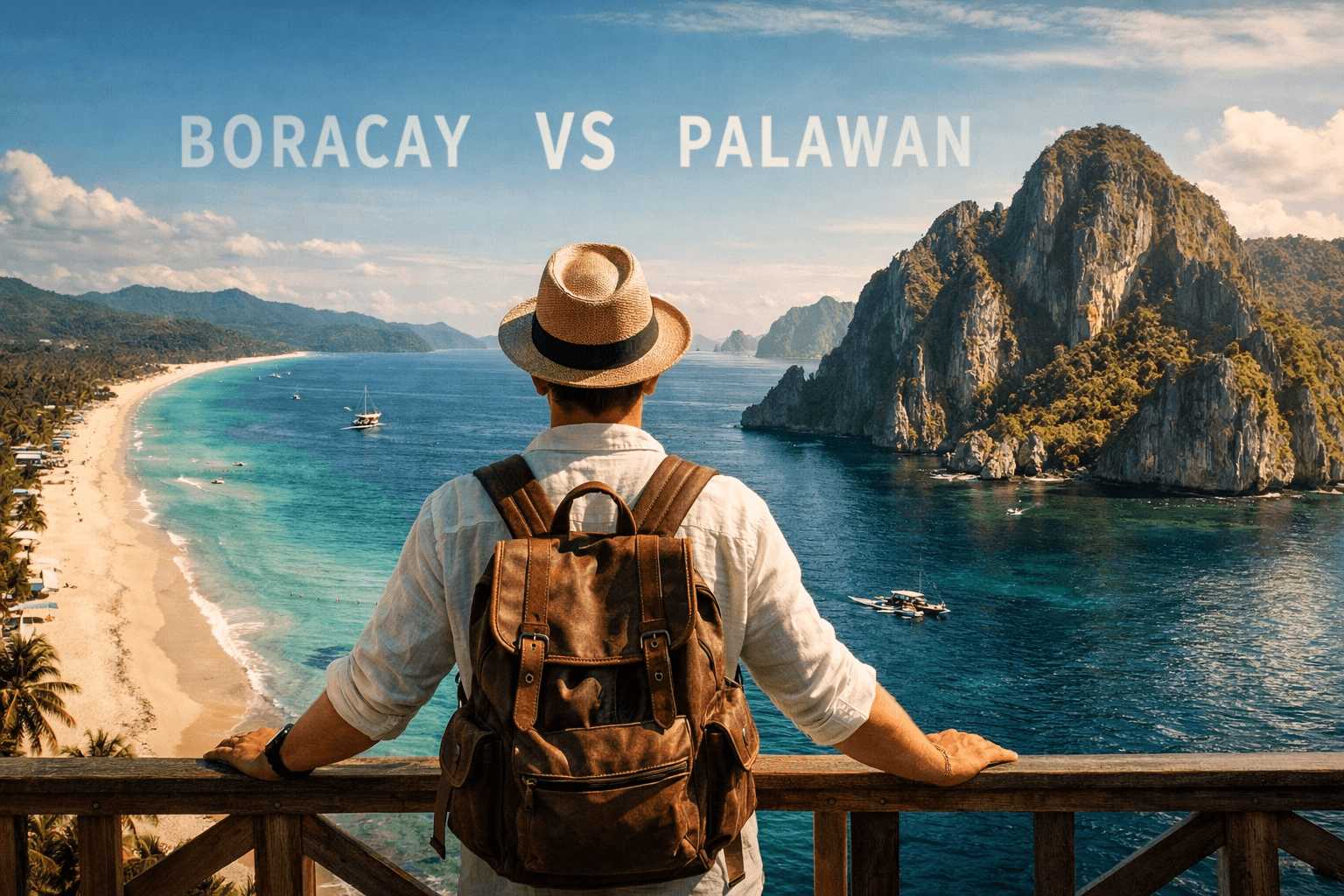
Planning a Southeast Asia trip? Check out our guides on 10-Day Vietnam Itinerary, Bali Budget Breakdown, and Palawan vs. Boracay: Which to Visit First.
Related Internal Links
- Best Time to Visit Southeast Asia (seasonal guide)
- Palawan vs Boracay: Which Should You Visit First?
- 10-Day Vietnam Itinerary for First-Timers
- Bali on a Budget: What It Actually Costs
- Philippines Travel Budget: Honest Breakdown
External Authority Links
- UNESCO World Heritage — Tubbataha Reefs Natural Park
- Coral Triangle Initiative (coraltriangleinitiative.org)
- IUCN Red List — Coral reef status pages
Discover more from Tunex Travels
Subscribe to get the latest posts sent to your email.


One Comment